Why one new truck matters at Kaibosh – and why people matter even more.
As our 2026 annual appeal wraps up, Board Member Toni reflects on our goal (to fund a new truck) and what the real driving force is at Kaibosh – the collective impact of our community of supporters. In part two, she unpacks preventable food loss and waste and food security challenges in Aotearoa and, how one new truck can be a key part to scale up a solution.
When you look at Aotearoa’s big food system challenges, it can feel a bit like the mountain in the old story classic, The Little Engine That Could.
Food insecurity, rising costs, fuel crises and fragile supply chains can seem like one long, heavy load.
But the message of that childhood story still resonates today. Progress often starts with the small engine willing to keep going, even when the hill ahead looks steep.
Kaibosh is a bit like that little engine. But unlike the storybook version, our strength doesn’t come from one machine alone. It comes from hundreds of volunteers, donors, growers, food businesses, community organisations and supporters all pulling in the same direction.
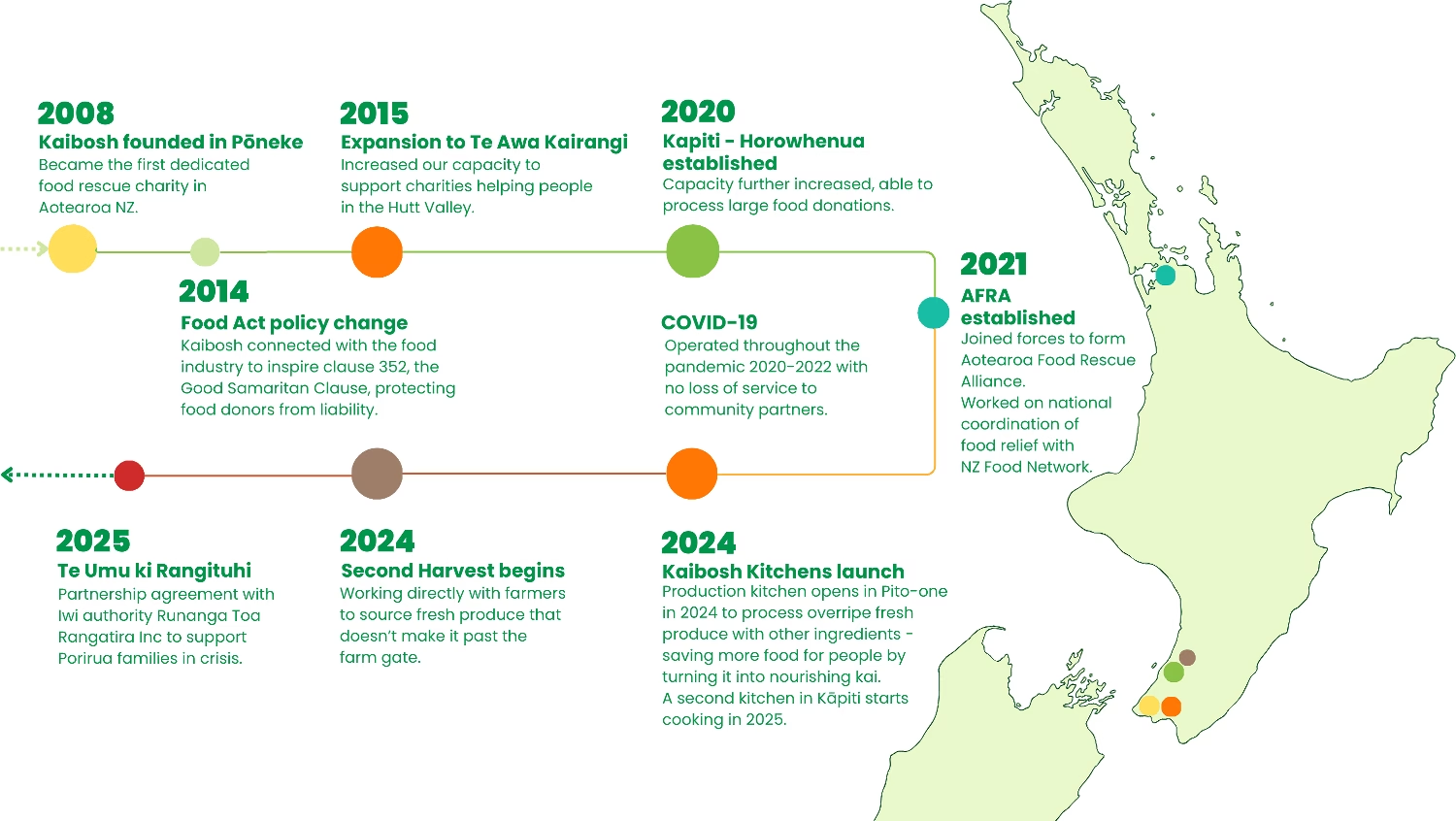
We started in 2008 with one woman, one volunteer, one car and one food donor. Today we’re rescuing and redistributing kai across Pōneke, Te Awa Kairangi, Kāpiti and Horowhenua. Every kilometre travelled and every kilogram of kai rescued is made possible by people choosing to contribute their time, resources and expertise.
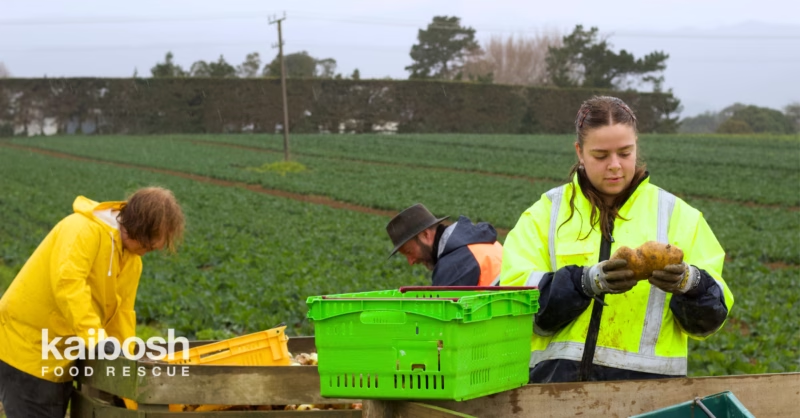
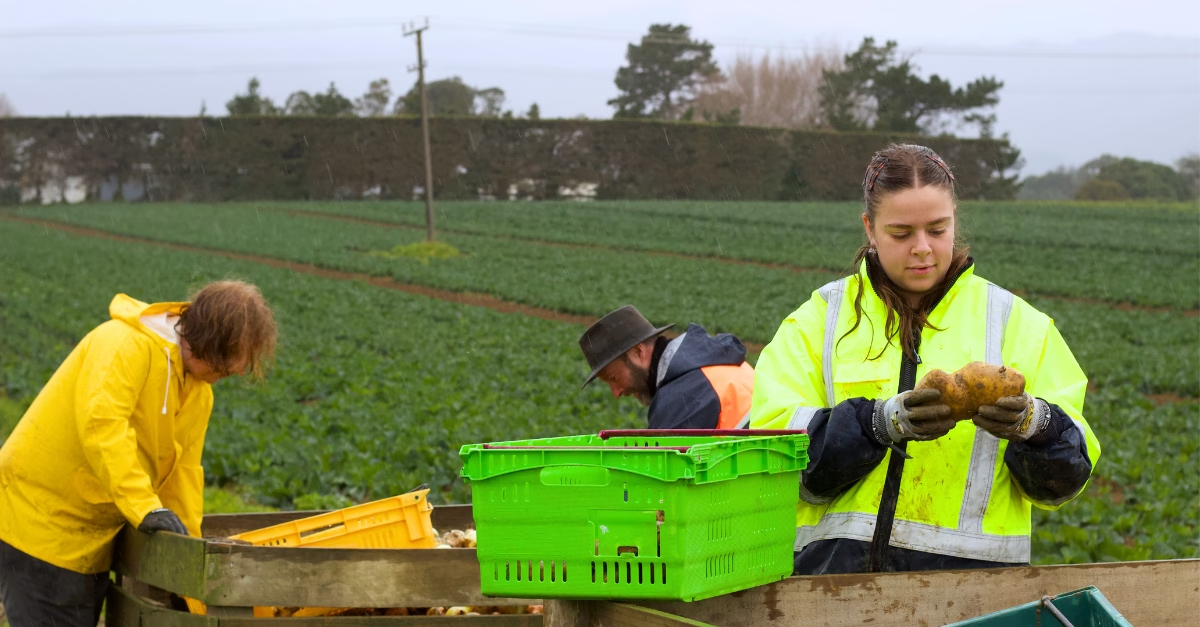
That’s why the 2026 Kaibosh appeal isn’t really about a truck. It’s about keeping good kai moving through a resilient food network. Funds raised will help Kaibosh secure a BIG(ger) low-emissions truck to expand our Second Harvest programme, working alongside growers to rescue healthy surplus produce for local whānau – farm fresh kai that won’t make it to market or not harvested at all.
Although May has ended, donations to support Kaibosh can still be made ro help us reach our goal. Every contribution helps strengthen a network powered by people and built on community action.
We aren’t the biggest player in the food system. We don’t grow the food or set the prices. What we do is move food from where it is surplus to where it is needed most. “A logistics company with heart,” as our CE Susie Robertson likes to say. And like the little engine, we keep moving forward because of the people behind us.
Why a single truck matters
A humble truck might seem like a small, trivial thing. The truck itself is only part of the story.
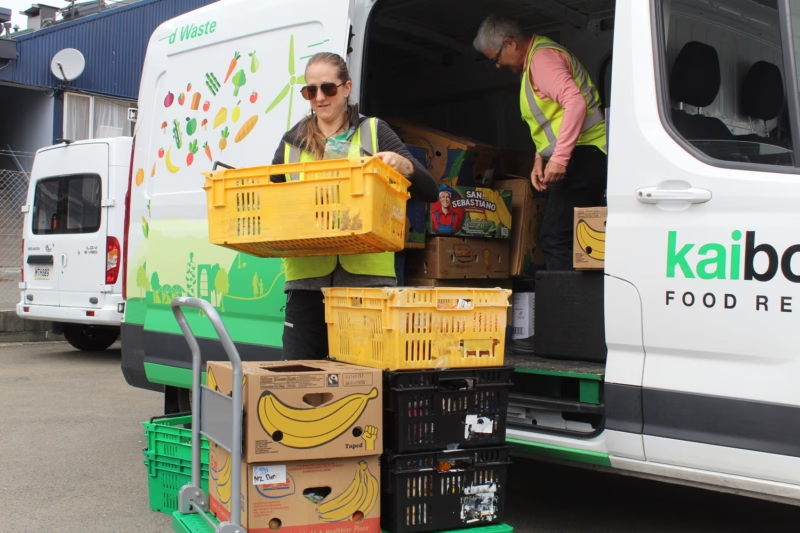
Every extra pallet of rescued kai represents a food business or grower sharing surplus, volunteers giving their time, community organisations distributing food, and supporters helping cover the costs of getting it there.
We are moving together up the steep face of national food system challenges. Progress requires coordinated action across government, industry, iwi, communities and households. No single organisation can shift a system alone.
But in logistics, small things can also determine whether food moves or stalls on any given day. A new climate-friendly truck for Kaibosh means better flexibility for our staff and volunteers and greater capacity for our Second Harvest work. It’s not a silver bullet for the bigger challenges – but we know that one truck will make a big impact moving healthy kai to our community providers, and improve wellbeing for many local whānau, today.
Just like the little engine, Kaibosh keeps moving because we believe in what is possible.
We think we can. And with our community behind us, we know we can.
Watch our latest video to hear from Keltie, Susie and Hane and learn more about our Second Harvest mahi.
And if you’re able to, please donate to help us secure the big(ger) truck we need – for a resilient food network.
View other stories

October 12, 2026
Humans of Kaibosh: Penny
From small groups, big movements can grow We have plenty of foodies who give time...
October 2, 2026
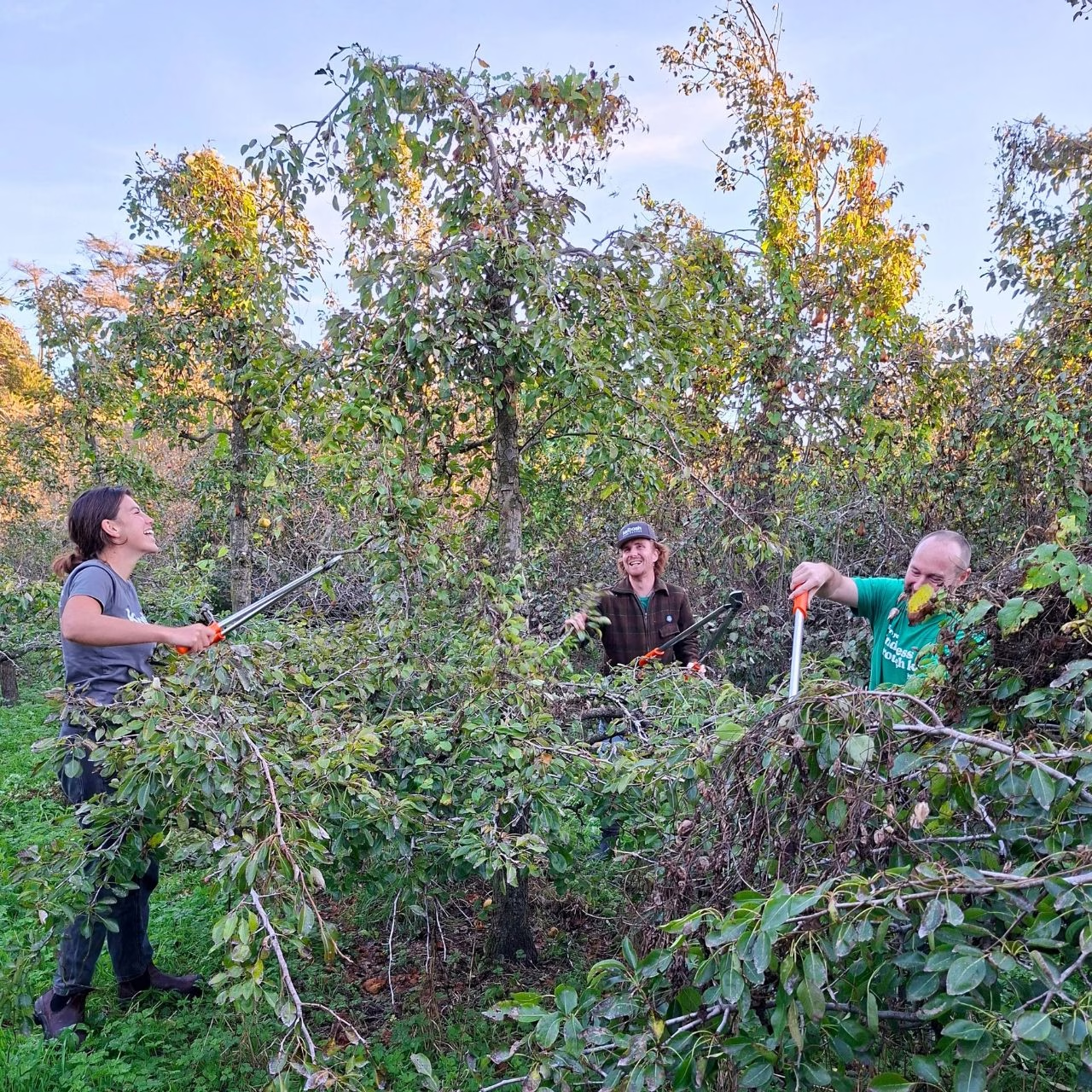
New Kids on the Block: Pruning in Ōtaki
Kaibosh Food Rescue have been hanging out in orchard to prune trees and learn all...
September 18, 2026
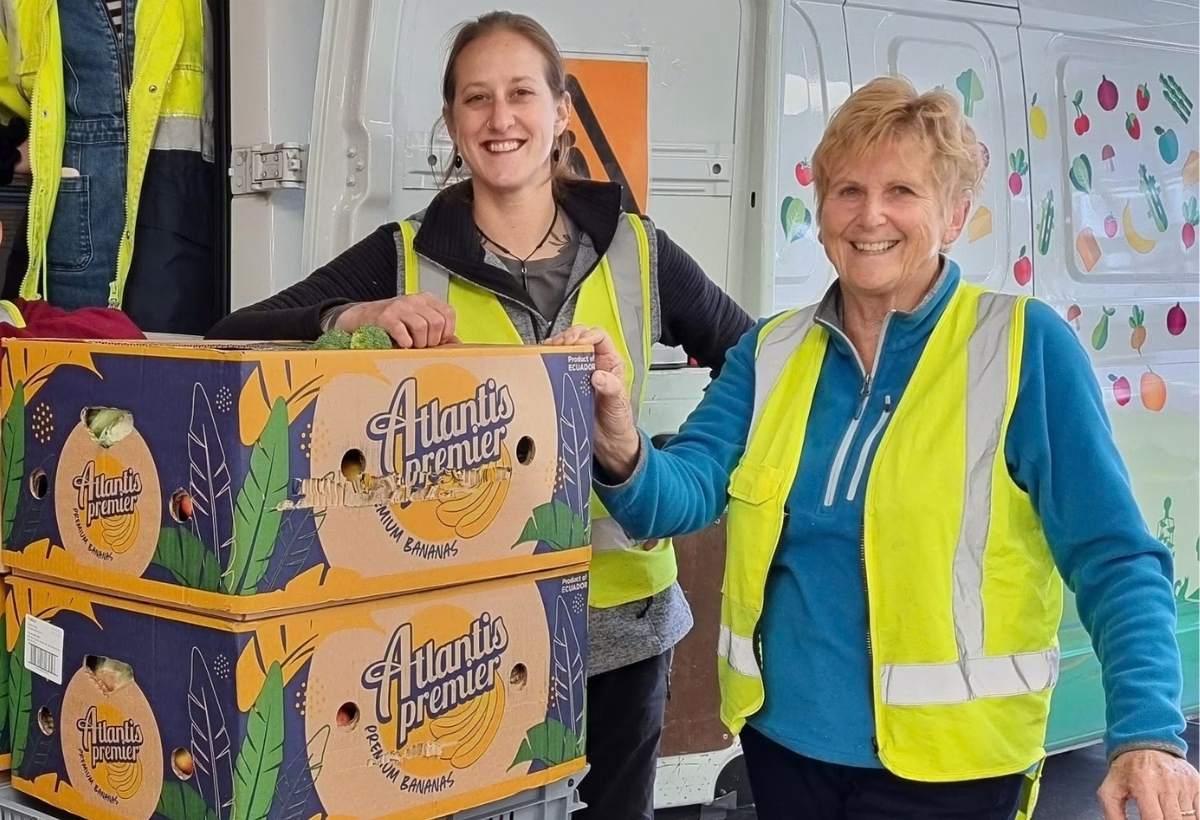
Fresh shoots, deep roots: Dame Diana is our new Ambassador
Dame Diana Crossan is to follow Dame Patsy Reddy as our new Ambassador. Diana’s fresh...
June 10, 2026
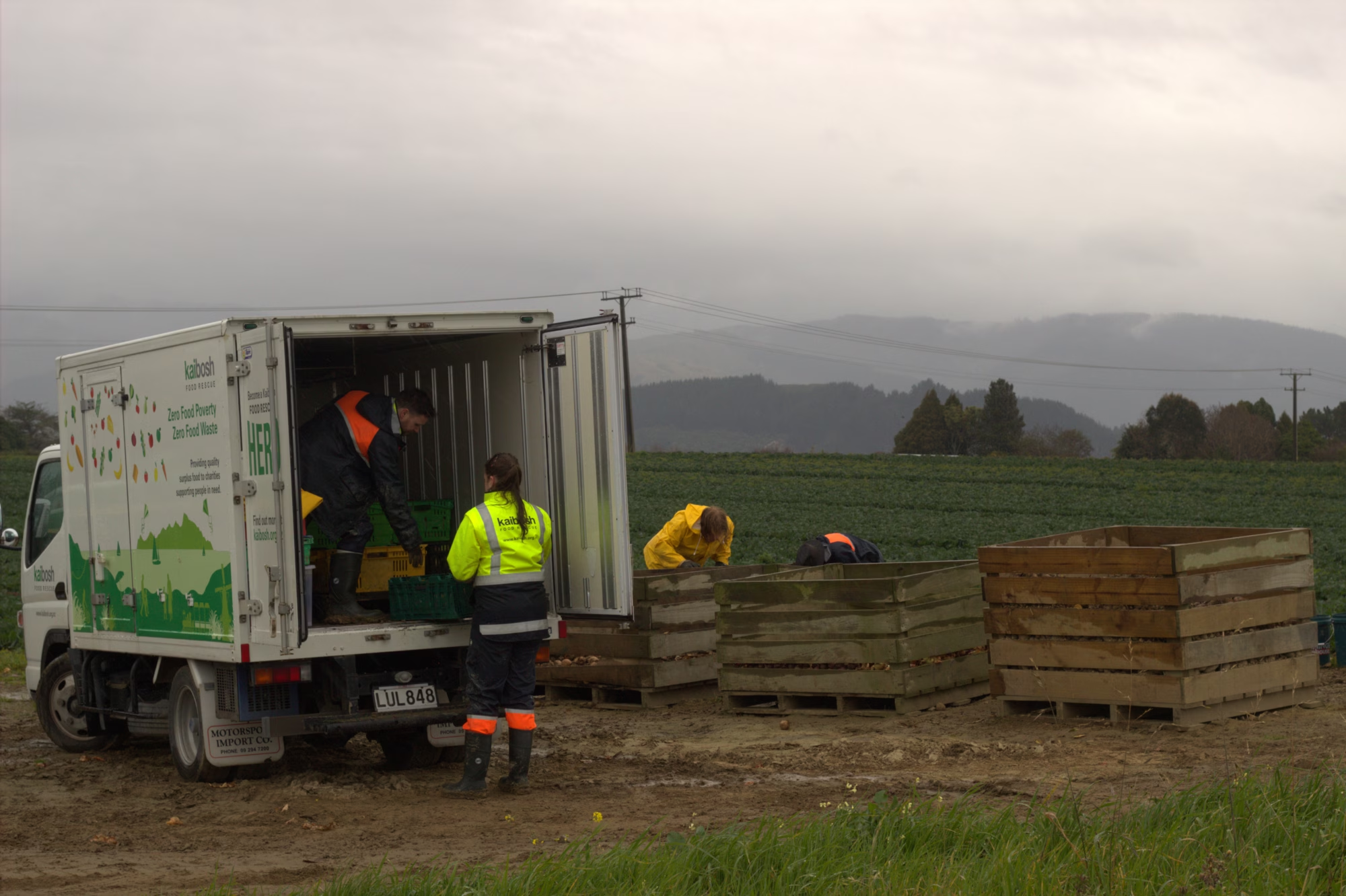
From rescue to resilience: why we’re moving upstream for food security
How can we make sure more good kai makes it from paddocks to plates, so...
April 24, 2026
Moving Kai in May – media release
Media release 24 April: Amid rising fuel costs, Kaibosh are fundraising for a new low-emissions large truck to help...
March 16, 2026
Our Journey
Growing a Movement
March 16, 2026
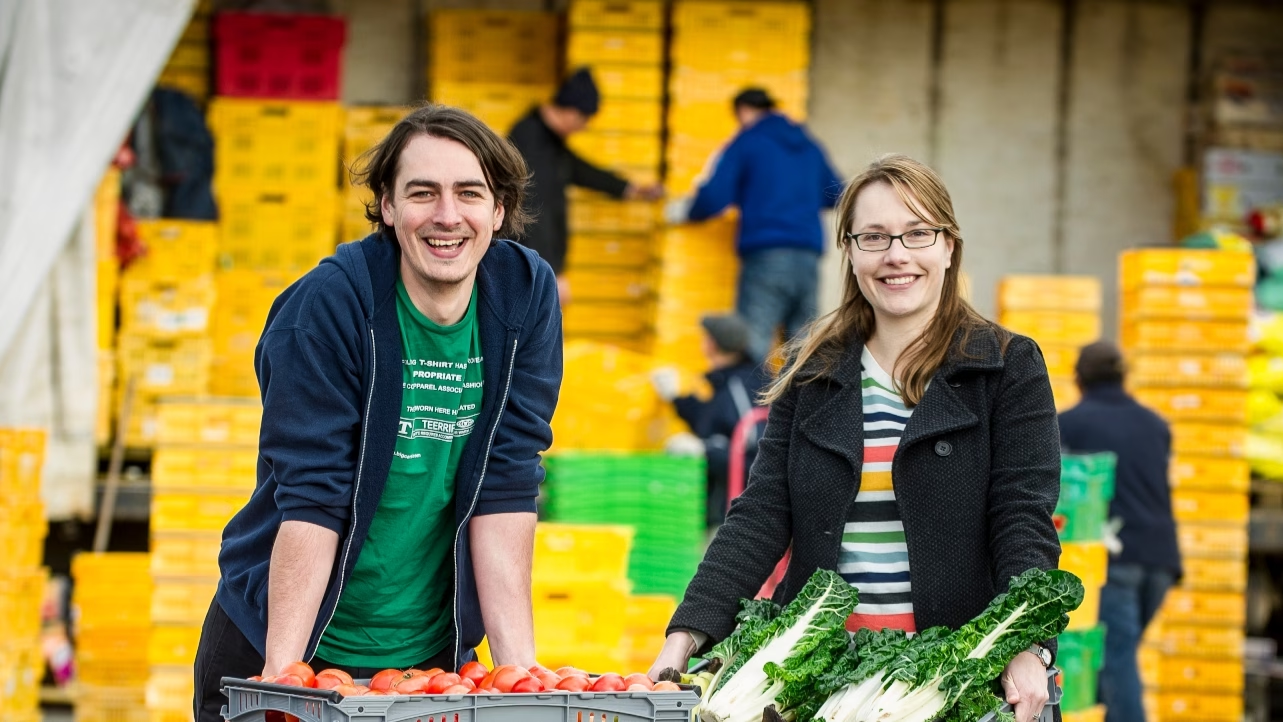
Founder’s story
The history of Kaibosh
December 5, 2025
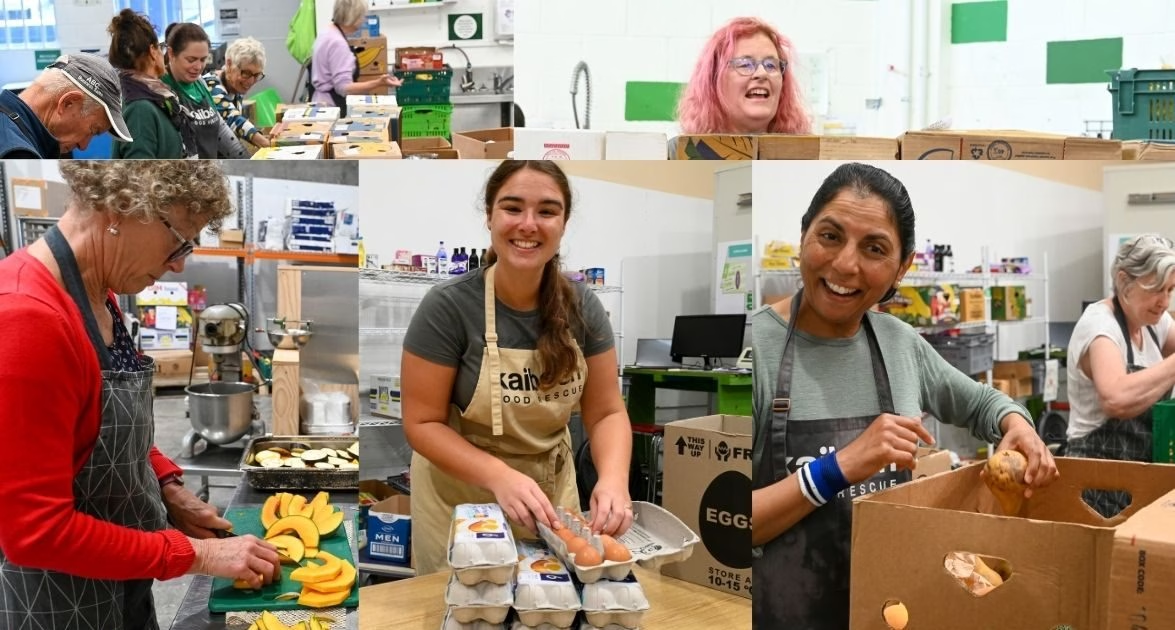
International Volunteer Day 2025 at Kaibosh
Every contribution matters At Kaibosh, we know that a stronger, more connected community isn’t built...
November 14, 2025
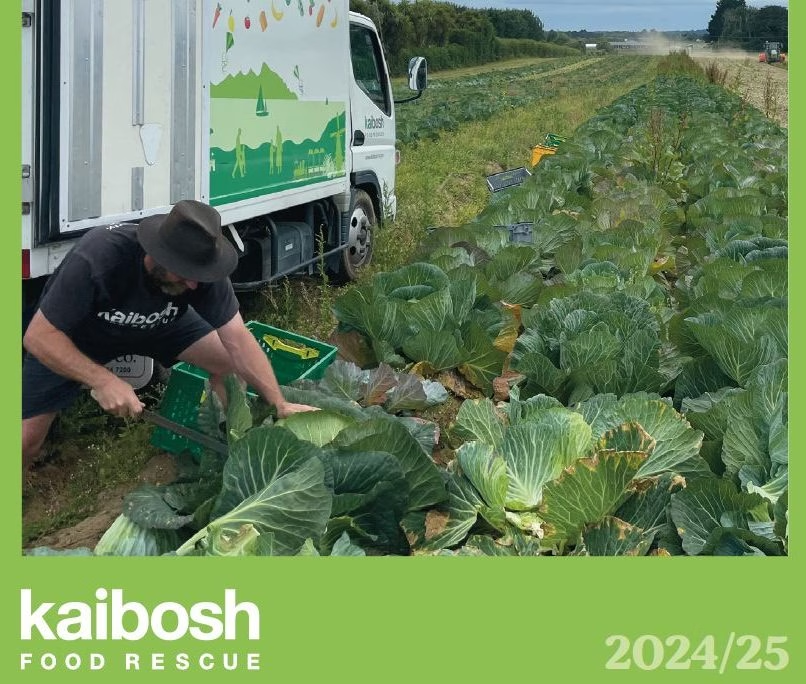
Annual Review 2025: More Fresh Kai, More Community Impact
The numbers are in for 2024/25 Together we’ve set a new Kaibosh record! From July...
Help us achieve our vision of zero food poverty, zero food waste
Be part of a community-powered movement creating lasting change.